
Most First-Time Donors Never Give Twice
Fewer than 1 in 5 first-time donors give a second gift. Here's what new donors need to see in their first 90 days, and how stories bring them back.
Getting someone to give for the first time is hard work. You earned their attention, you made the case, and they said yes. What we've heard from months of conversations with leaders in the nonprofit space across the country is that after the initial give or event, that donor often quietly disappears.
Numbers we've seen back that claim up. According to the Fundraising Effectiveness Project, only 18.9% of first-time donors gave again in 2025. Donors who had already given more than once came back at a rate of 59.3%. There's a pretty clear takeaway here: the hardest gift to get isn't the first one. It's the second.
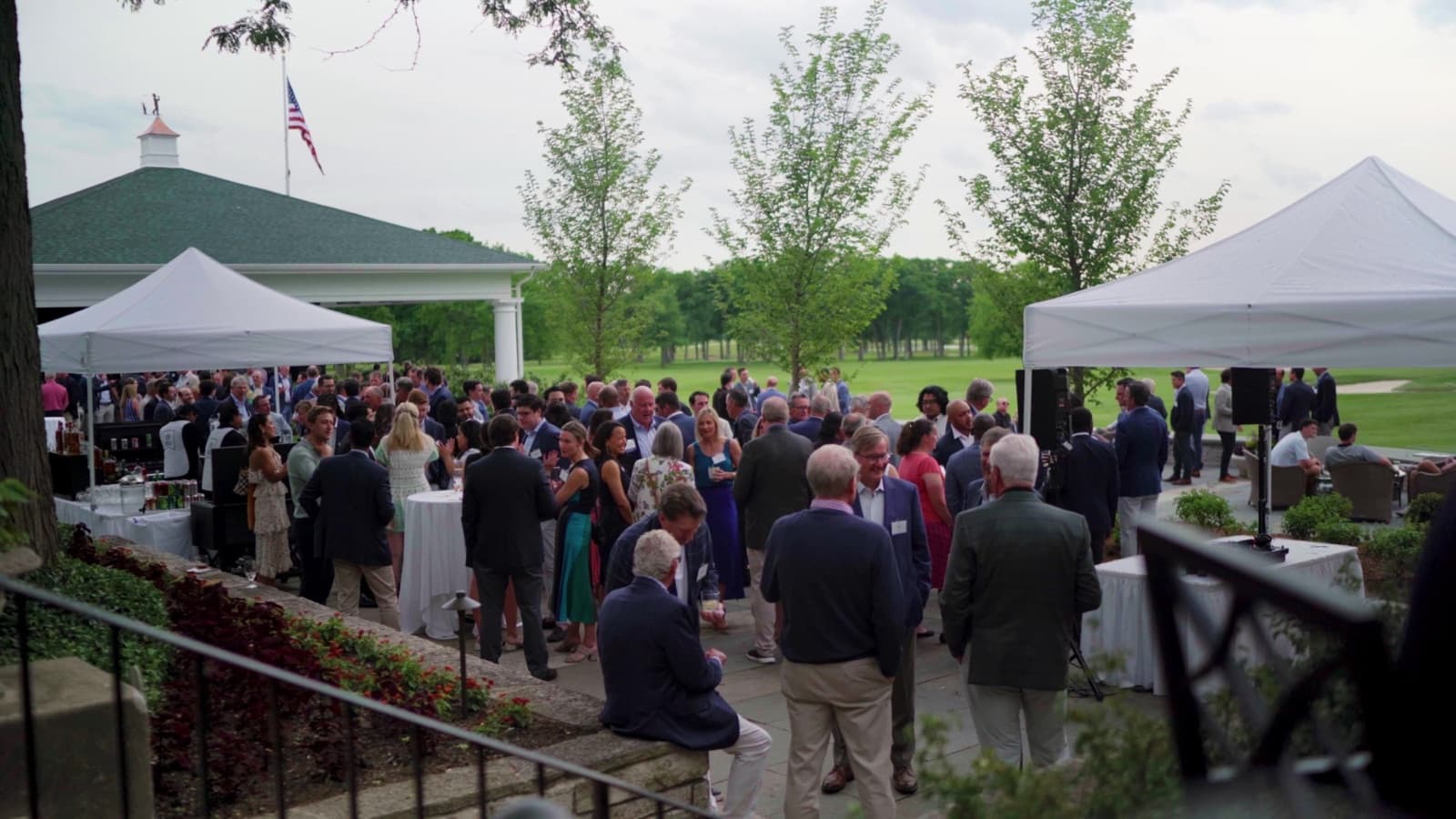
That aligns with what we've heard from development directors we've partnered with. Their gala has often been a huge success and raised a large amount of money, but the momentum tends to disappear after the event.
What does the data say about first-time donor retention?
That's why we thought the data from The Fundraising Effectiveness Project was so interesting. It tracks giving data across thousands of nonprofits and confirms what we're hearing. Its full-year 2025 numbers showed overall donor retention at 43.3%, repeat donor retention at 59.3%, and first-time donor retention at just 18.9%.
At the same time, total dollars raised grew about 5% while the number of donors fell 3.6%. According to the report, it's the fifth straight year fewer people gave. The group's first report of 2026 did show donor losses starting to ease, but it still called new-donor conversion "the sector's pain point."
What that adds up to: more of your revenue is coming from fewer, deeper relationships. Every first-time donor you keep matters more than it used to. And every one you lose is expensive, because you already worked so hard to find them.
Why don't first-time donors come back?
It's rarely because they stopped caring. In our conversations with development and communications leaders this year, the same patterns keep coming up:
- They never saw what happened next. They gave to a story, and the story ended the day they gave.
- The next thing they heard was another ask. A receipt, then a year-end appeal. Nothing in between that made them feel like part of the mission, or remaining connected to it.
- The thank-you read like a form letter. It confirmed a transaction. It didn't make them feel anything.
- The story that won them over never changed. Same video, same case for support, a year later.
We know none of this comes from a lack of effort. Most teams are stretched thin, and new-donor follow-up is usually the first thing to slip when gala season or year-end hits. But from the donor's side, silence reads like "they got what they needed from me."
What should a new donor see in their first 90 days?
This a huge part of the work we're doing at 1708 Media and the systems we're creating for nonprofit leaders. You don't need a massive program. But you do need a plan for a handful of moments and a real story to fill each one. Here's a simplified version we'd suggest to almost any team:
- Week 1: A real thank-you. Short, personal, and from a person. A 30-second video from your executive director, a program staff member, or someone your organization serves can go a long way. It doesn't need to be polished. It needs to be specific.
- Weeks 2 to 4: Show them what they're part of. One person, one program, one outcome. Not a stat sheet. Let them see the work their gift is supporting. This should be different from whatever story they saw or heard at your gala.
- Month 2: Take them behind the scenes. Introduce a staff member, show a normal day, let them meet the people doing the work. This is where you can start to build trust.
- Month 3: Give them the update. Where things stand now, what's changed, and what's next. Then, and only then, invite them to give again. Ideally as a monthly donor.
Only one of those four moments includes an actual ask. We suggest approaching it this way for a reason. The Fundraising Effectiveness Project's own advice for 2026 is to focus on turning new donors into repeat givers, including locking in monthly commitments early. You earn that second commitment in the weeks before you ask for it.
Does all of this need to be professionally produced video?
No. It doesn't have to be. Some of your best new-donor content can be shot on a phone by someone on your team. A quick thank-you from a program director doesn't need a crew. It needs to sound like a real person.
Where professional storytelling earns its keep is the anchor story and finding ways to continue leveraging that content throughout the year. The interview with the family, the alum, the person whose life looks different because of your work. That's the story that carries the weight in week three and month three. And if you work with your production partner to plan things correctly, one production day can give you the full piece plus a handful of other assets to use across your whole new-donor sequence.
The mistake we see most often is treating video as a one-time project for the gala. The footage is there. It just never makes it into a new donor's inbox after the event.
How can a small team actually pull this off?
- Build it once. Write the four touchpoints once, set them up as an automated sequence in your CRM or email tool, and let it run for every new donor.
- Film for it on purpose. When you plan your next gala or campaign shoot, put the new-donor sequence on the shot list so you walk away with what you need.
- Keep a small story library. Five or six short, current stories you can rotate so nobody gets the same one twice.
- Refresh it. Stories go stale. A quick update twice a year keeps the sequence honest.
What local TV taught me about the follow-up story
Nearly two decades working in local television as a sports anchor and reporter taught me the importance of the follow-up story. In many ways our goals in the television world align with what development directors are trying to achieve. We were looking to tell a story that would encourage our viewers to come back and watch again. We wanted repeat viewership in the same way development directors are looking for repeat donors. We would frequently follow-up on subjects we profiled in our newscasts. Viewers returned because they wanted to know what happened next. The same opportunity exists with mission stories.
Why we build every project around what happens next
When we focused 1708 Media to work only with nonprofits, this was a big part of the reason. We kept seeing organizations invest in one great video, show it at the gala, and then let it sit. The donors who were moved that night had nothing to come back to. We believed we could help fill this gap. So now we plan every project around what happens after the initial ask: the short stories, the updates, and the pieces that keep a new donor connected long enough to give again.
The takeaway
A first gift is a donor telling you they believe in your work. Whether they give again mostly comes down to whether you keep showing them that work. Plan the first 90 days, fill them with real stories, and hold the ask until you've given them a reason to say yes.
Want help mapping out what your new donors see after their first gift?
That's exactly the kind of conversation we love. Let's talk about how to build a real first-90-days plan for your organization.
Book a Story SessionSources
WRITTEN BY 1708 MEDIA
1708 Media is an Emmy-winning video production company built for nonprofits. We produce mission films, fundraising videos, social content, and yearlong video partnerships for organizations across the country.
STRATEGY
How Should Nonprofits View AI's Impact on Storytelling?
AI can streamline nonprofit storytelling, but it can't replace the human behind the story. Here's where 1708 Media draws the line.
STRATEGY
What One Production Day Should Produce: Notes From a Week of Shoots
Four shoots, three cities, one week. The most useful lesson was not about cameras. It was about what gets decided before the shoot, and how that determines a year of donor engagement.
STRATEGY
Why You Need a Partner, Not a Vendor
Almost every video company calls itself a partner. But there is a real difference between one that makes your video and one that helps you reach your goals, and for a nonprofit with a lean team, it shapes the results you get.